
- 1300 E 9th Suite 1210 Cleveland Ohio 44114
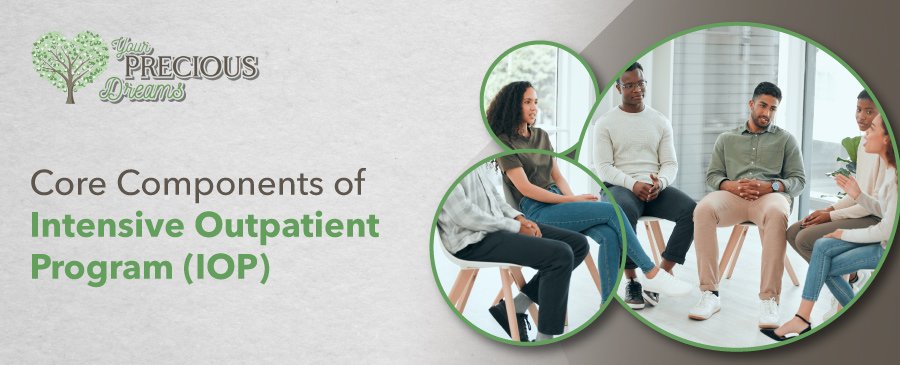
Core Components of Intensive Outpatient Program (IOP)
Typical IOP program consists of several integrated components designed to address mental health and addiction from multiple angles. A comprehensive approach ensures you receive holistic treatment that addresses all aspects of your well-being. So, let’s have a look at core components of an IOP to understand about it.
Individual Therapy:
Personalized Support for Your Recovery
Individual therapy offers a safe, supportive environment to explore your thoughts and feelings one-on-one with a licensed therapist. This personalized attention is crucial for addressing the unique challenges and experiences that have led to your current struggles.
What Individual Therapy Addresses:
Trauma Support
Many individuals struggling with mental health issues or addiction have experienced trauma. Individual therapy provides a confidential space to process traumatic experiences with evidence-based approaches like Cognitive Behavioral Therapy (CBT), Eye Movement Desensitization and Reprocessing (EMDR), or trauma-focused therapy.
Family Dynamics
Your therapist will help you explore how family relationships and dynamics have influenced your mental health and recovery. You’ll work on setting healthy boundaries, improving communication, and healing from family-related wounds.
Self-Esteem and Identity
Addiction and mental illness often erode self-esteem and identity. Individual therapy helps you rebuild self-worth, rediscover your values, and develop a positive sense of self separate from your struggles.
Co-Occurring Mental Health Conditions
If you’re dealing with depression, anxiety, PTSD, bipolar disorder, or other mental health conditions alongside substance use issues, individual therapy addresses these co-occurring disorders with integrated treatment approaches.
Goal Setting and Recovery Planning
Your therapist will work with you to establish meaningful recovery goals and create actionable plans to achieve them, whether related to relationships, career, health, or personal growth.
Outpatient therapy provides a supportive and empathetic environment where you can openly share your thoughts and emotions. It’s a collaborative journey between you and your therapist, working together to better understand your inner world. Through therapy, you can navigate challenging emotions, heal from past traumas, strengthen relationships, and build effective strategies to cope with life’s everyday obstacles.
Individual sessions typically occur once or twice weekly as part of your IOP schedule, ensuring consistent therapeutic support throughout your recovery journey.
Group Therapy:
Learning and Healing Together
It is also a core component of an IOP. Group therapy combines education with peer support, creating a powerful therapeutic experience. You’ll attend groups with clients in similar situations as you, whether you’re addressing addiction, depression, anxiety, trauma, or other mental health challenges.
This camaraderie can be invaluable in helping you cope with the early stages of recovery. Group therapy creates a sense of belonging and community that combats the isolation often associated with mental health struggles.
Group Therapy Topics and Modalities:
Psychoeducation Groups
These educational sessions teach you about mental health conditions, addiction science, the recovery process, and evidence-based treatment approaches. Knowledge empowers you to understand what you’re experiencing and why treatment works.
Social Skills Training
Many individuals in recovery struggle with social anxiety or have lost social skills during active addiction or mental health crises. Social skills groups help you practice healthy communication, assertiveness, conflict resolution, and relationship building.
Expressive Therapy
Creative modalities like art therapy, music therapy, yoga, and psychodrama provide non-verbal ways to process emotions, reduce stress, and express feelings that may be difficult to put into words.
Vocational Rehabilitation
Some IOP programs offer groups focused on employment readiness, resume building, interview skills, and career planning to help you achieve stability and independence in recovery.
Experiential Activities
Experiential groups involve hands-on activities that teach recovery skills through experience rather than just discussion. This might include mindfulness practice, outdoor activities, or team-building exercises.
Nutritional Counseling
Addiction and mental illness often lead to poor nutrition. Nutritional counseling groups teach you how proper diet supports mental health, mood regulation, and physical recovery.
Self-Esteem and Wellness
These groups focus on building self-worth, practicing self-care, developing healthy routines, and creating a balanced lifestyle that supports long-term recovery and mental wellness.
Relapse Prevention
Relapse prevention groups are essential for anyone in recovery from addiction. You’ll learn to identify high-risk situations, develop coping strategies, create a relapse prevention plan, and understand that relapse doesn’t mean failure.
In group therapy, you’ll have the opportunity to learn from others and share your own experiences. This can be a powerful way to gain insight, understanding, and support as you navigate through recovery. Group therapy also provides a safe space to practice new skills and behaviors in a supportive environment where feedback and encouragement are plentiful.
Family Therapy:
Healing Relationships and Building Support
Addiction is a family disease that affects everyone in the family system, not just the individual struggling with substance use or mental health issues. family therapy is one of the core components of an IOP. Often, loved ones need their own education and support to understand what you’re going through and how they can help rather than enable.
Family therapy helps loved ones improve communication and strengthen respect for one another. It creates a space where family members can express their feelings, address past hurts, and work together toward healing and healthier relationship patterns.
What Family Therapy Addresses:
Communication Breakdowns
Addiction and mental illness often damage communication within families. Family therapy teaches healthy communication skills, active listening, and expressing needs without blame or criticism.
Codependency and Enabling
Family members often unknowingly enable addiction or mental health struggles through codependent behaviors. Therapy helps identify and change these patterns.
Trust Rebuilding
Broken promises and harmful behaviors erode trust. Family therapy provides a framework for rebuilding trust through consistency, accountability, and open communication.
Setting Boundaries
Healthy boundaries are essential for both your recovery and your family’s well-being. Therapy helps everyone understand and respect appropriate boundaries.
Education for Family Members
Loved ones learn about addiction, mental health conditions, and recovery so they can better understand what you’re experiencing and how to provide appropriate support.
If you’re in a relationship, your therapist may also recommend couples or marital counseling to address relationship-specific issues, improve intimacy, and strengthen your partnership as you navigate recovery together.
Family involvement in treatment significantly improves long-term recovery outcomes. When your support system understands your journey and knows how to help, you’re more likely to maintain progress and avoid relapse.
Case Management:
Coordinating Comprehensive Care
Recovery isn’t just about therapy; it often requires addressing practical life challenges that may have contributed to or resulted from mental health struggles or addiction. This is also a core component of an IOP. Case managers help coordinate your care and connect you with resources that address all aspects of your life.
A case manager will meet with you to review your struggles and needs holistically. They serve as advocates and navigators, helping you access services and support systems that promote stability and recovery.
Resources Case Managers Provide:
Legal Assistance
If you’re facing legal issues related to substance use, DUI charges, or other matters, case managers can connect you with lawyers, help you navigate probation requirements, and coordinate with the court system to demonstrate your commitment to treatment.
Medical Support
Case managers help coordinate medical care, assist with finding primary care physicians, schedule appointments for physical health issues, and ensure continuity of care between mental health and medical providers.
Housing Support
Stable housing is crucial for recovery. Case managers can help you find safe, affordable housing options, connect you with sober living facilities, or provide resources for those experiencing homelessness.
Financial Relief
Case managers can assist with applications for disability benefits, connect you with financial assistance programs, help with insurance questions, and provide resources for basic needs like food and transportation.
Employment Services
Getting back to work or finding meaningful employment supports recovery. Case managers can connect you with job training programs, employment services, and career counseling.
Educational Support
If you want to continue your education or obtain your GED, case managers can help you explore educational opportunities and access financial aid.
Transportation Assistance
Lack of transportation shouldn’t prevent you from accessing treatment. Case managers can help arrange transportation to IOP sessions and other appointments.
Case management ensures that practical barriers don’t prevent you from fully engaging in treatment and building a stable foundation for long-term recovery.
Aftercare:
Sustaining Your Recovery Long-Term
Aftercare is a core component of an IOP and it is a crucial part of recovery because it keeps you anchored in the support, motivation, and community you built in treatment. Recovery doesn’t end when you complete IOP, it’s a lifelong journey that requires ongoing support and commitment.
What Aftercare Includes:
Alumni Support Programs
Many IOP programs offer alumni groups where graduates can reconnect, share their continued recovery journey, support each other through challenges, and celebrate milestones together.
Ongoing Outpatient Therapy
Transitioning from IOP to traditional outpatient therapy (weekly individual or group sessions) provides continued therapeutic support as you apply recovery skills in your daily life.
12-Step Programs and Support Groups
Participation in Alcoholics Anonymous (AA), Narcotics Anonymous (NA), SMART Recovery, or other peer support groups provides ongoing community and accountability.
Sober Recreation and Fun
Aftercare often includes sober social activities, recreational outings, and fun events that help you build a fulfilling life in recovery without substances.
Relapse Prevention Check-Ins
Regular check-ins with therapists or case managers help you stay on track, identify potential warning signs early, and adjust your recovery plan as needed.
MAT Program Continuation
If you’re participating in Medication-Assisted Treatment (MAT) for opioid or alcohol use disorder, aftercare ensures you continue receiving the medications and monitoring that support your recovery.
Crisis Support
Access to crisis resources and emergency support ensures you have help available if you experience thoughts of relapse, mental health crisis, or other challenges.
Aftercare planning begins during your time in IOP. Your treatment team will work with you to create a comprehensive aftercare plan that addresses your unique needs, strengths, and goals for continued recovery and wellness.
Schedule Your Consultation
Latest Blogs


Quick Links
Office Address
1300 E 9th Suite 1210 Cleveland Ohio 44114
Email Address
yourpreciousdreams@yahoo.com
Your Precious Dreams | Powered By DocsMed © 2025 All Rights Reserved