

- 1300 E 9th Suite 1210 Cleveland Ohio 44114
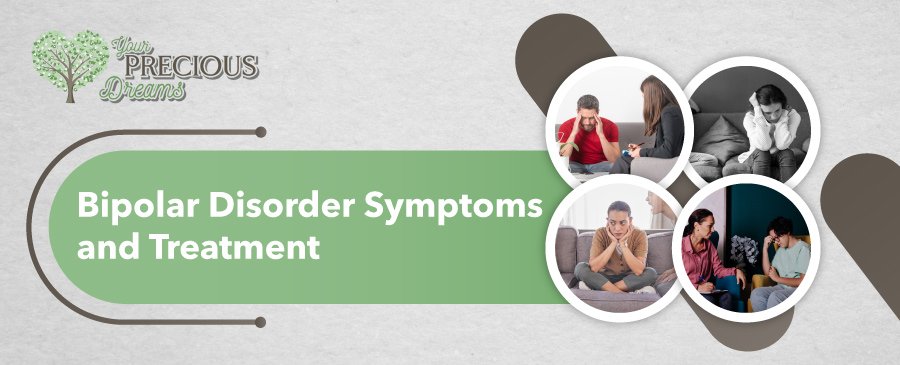
Bipolar Disorder Symptoms and Treatment
Bipolar disorder is not just about “mood swings.” It is a complex, lifelong neurological condition that, according to a 2021 report shared by the World Health Organization, affected approximately 37 million people worldwide. In the U.S., about 3 out of every 100 adults have bipolar disorder in a given year. The person going through bipolar experiences the high energy of mania to the weakening lows of depression. Understanding these shifts is the first step toward effective management. This blog puts light on both Bipolar Disorder Symptoms and Treatment – let’s dive in.
Bipolar Symptoms
Bipolar disorder is characterized by extreme shifts in mood, energy, and activity levels. These aren’t typical day-to-day fluctuations; they are distinct “episodes” that can last for days or weeks.
| Feature | Manic Episode (The "Highs") | Depressive Episode (The "Lows") |
|---|---|---|
| Mood | Euphoric, expansive, or extremely irritable. | Sad, hopeless, empty, or anxious. |
| Energy | Abnormally high; feeling "wired" or "jumpy." | Extremely low; feeling slowed down or lethargic. |
| Sleep | Decreased need (e.g., feeling rested after 3 hours). | Excessive sleeping or inability to sleep (insomnia). |
| Activity | Excessive involvement in risky or "pleasurable" tasks. | Loss of interest in almost all activities. |
| Speech | Talking very fast; jumping from one idea to another. | Talking slowly; feeling like there is "nothing to say." |
Example: A person in a manic episode might suddenly decide to start a new business at 3:00 AM, spending thousands of dollars impulsively. Conversely, in a depressive episode, that same person might find it physically impossible to get out of bed to brush their teeth.
Treatment Options for Bipolar Disorder
Treatment for bipolar disorder usually includes medication, psychotherapy, and supportive care, all of which are tailored to the individual’s specific needs. The best treatment plan depends on the type of bipolar disorder the severity of the symptoms, and the persons overall health and well-being.
Medication Management
- Mood Stabilizers: Lithium and other medications can help stabilize manic and hypomanic highs, thus reducing extreme mood swings.
- Anticonvulsants: Medications like valproate and lamotrigine help with long-term regulation and mixed episodes.
- Antipsychotics: Atypical antipsychotics during acute phase or on long term maintenance.
- Antidepressants: Used with great care in combination with a mood stabilizer to avoid triggering mania.
Psychotherapy Approaches
- Cognitive Behavioral Therapy (CBT): Assists patient to recognize unfavorable thought patterns and manage impulsive behaviors.
- Interpersonal and Social Rhythm Therapy (IPSRT): Stable routines, sleep patterns, and social rhythms.
- Family-Focused Therapy: Teaches and educates family members how to observe early warning signs, and enhances communication at home.
Lifestyle and Advanced Care
- Daily Routines: Encourages regular sleep patterns and dietary intake, which promotes brain health.
- Advanced Therapies: When standard treatments are not effective doctors may consider procedures such as electroconvulsive therapy (ECT) or transcranial magnetic stimulation (TMS).
Ketamine Treatment & Side Effects
Ketamine treatment for bipolar disorder involves esketamine, sold under the name SPRAVATO, a nasal spray which is only available through a restricted ‘SPRAVATO REMS’ program.
According to the FDA, Esketamine (Spravato), a nasal spray, is a non-competitive N-methyl D-aspartate (NMDA) receptor antagonist for treatment-resistant depression in adults.
For many, it is a life-changing option when traditional treatment options for bipolar disorder fail. It works differently than standard antidepressants by targeting glutamate, a neurotransmitter involved in brain plasticity.
Warning: A specific Spravato antidote does not exist, so never consume Spravato more than recommended by your doctor. In case of emergency, please contact the poison control center at 1-800-222-1222. You may also visit www.poison.org
Side Effects of Ketamine:
While ketamine treatment has gained significant attention for its ability to provide rapid relief, it should be kept in mind that it carries certain risk factors as well, including but not limited to:
- Dissociation (feeling “disconnected” from your body)
- Increased blood pressure during treatment
- Nausea or dizziness
- Decreased cognitive powers
- May cause fetal harm to the embryo.
- Bladder issues (with long-term, high-frequency use)
Furthermore, this medicine carries certain risks for patients with cardiovascular and cerebrovascular conditions.
Did you know?
While Bipolar is a long term condition, a right bipolar disorder treatment program from a center like Your Precious Dreams can help improve the quality of life.
Proven Treatments Without Medication
While medical experts (including the WHO and Mayo Clinic) emphasize that medication is often the “anchor” of treatment, bipolar disorder treatment without medication (as an adjunct) is essential for long-term stability.
- Psychoeducation: Learning to identify “triggers” (like sleep deprivation or high stress) before they spiral into a full episode.
- Social Rhythm Therapy (IPSRT): Focusing on stabilizing daily routines—waking up, eating, and exercising at the same time every day to regulate the body’s internal clock.
- Cognitive Behavioral Therapy (CBT): Helping patients change negative thought patterns that contribute to depressive cycles.
- Lifestyle Maintenance: A strict avoidance of alcohol and recreational drugs, which are known to destabilize mood.
Additional Supportive Strategies
Several supportive approaches can help manage bipolar disorder treatment without medication, alongside psychotherapy and healthy lifestyle habits. Hopefully these strategies will aid in enhancing emotional health, expanding support system, and lowering the chance of recurring mood episodes.
Family-Focused Therapy: Including family or caregiver in therapy could contribute to better communication, additional support, and early warning signs of mood changes.
Healthy Lifestyle Habits: Along with following a consistent daily routine, regularly exercising, managing stress through mindfulness or relaxation techniques, and tracking mood changes and triggers can help support long-term mood stability.
Brain Stimulation Therapies: Advanced treatments, like Electroconvulsive Therapy (ECT) and Transcranial Magnetic Stimulation (TMS), can also be an option for people who can’t tolerate medication or those who have developed resistance to medication, but they can be used only under the supervision of a mental health professional.
Important: Managing bipolar disorder without medication may increase the risk of relapse for many people. Treatment changes should never be undertaken without the supervision of a professional mental health practitioner.
Latest Bipolar Treatment Landscape
Medical science is constantly evolving. Below are the latest treatments for bipolar disorder, categorized by their regulatory status.
| Medication/Treatment | Indicated For |
|---|---|
| Cariprazine (Vraylar) | Treatment of schizophrenia & manic or mixed episodes |
| Lumateperone (Caplyta) | Schizophrenia & depressive episodes associated with bipolar I or II |
| Esketamine (Spravato) | Treatment-resistant depression (TRD) & major depressive disorder (with suicidal ideation) |
| KETALAR (ketamine hydrochloride) injection | Procedures OR patients with poor risk depression |
Recent Advances in Bipolar Disorder Treatment
Medical science continues to advance, and the latest treatment for bipolar disorder is the inclusion of newer medications, updated new clinical guidelines, and more individualized care.
Recently approved medications: The FDA continues to expand treatment options for Bipolar I disorder. In 2026, milsaperidone (Bysanti™) was approved for the treatment of acute manic or mixed episodes in adults. Earlier, iloperidone (Fanapt®) also received an expanded FDA indication for treating acute manic or mixed episodes, providing psychiatrists with additional medication choices for eligible patients.
Updated treatment guidelines: Current clinical recommendations emphasize tailoring treatment based on the phase of illness—acute mania, bipolar depression, or long-term maintenance. Treatment plans are becoming increasingly personalized, often combining traditional mood stabilizers with newer atypical antipsychotics when appropriate.
Emerging therapies: In addition to approved medications, Transcranial Magnetic Stimulation (TMS) continues to show promise for individuals who do not respond to conventional treatments. Ongoing research is also helping refine the role of newer therapies in managing treatment-resistant bipolar depression.
Precision psychiatry: Digital mood-tracking tools, wearable technology, and pharmacogenomic testing are helping clinicians monitor symptoms more effectively, identify early signs of relapse, and personalize medication choices.
Specialized Bipolar Disorder Treatment Programs
A comprehensive bipolar disorder treatment program usually involves a “team” approach. This includes a psychiatrist for medication management, a therapist for behavioral strategies, and often a support group to reduce the stigma of the diagnosis.
Sometimes, symptoms of mania and depression occur simultaneously (e.g., feeling “wired” but “hopeless”). This is called a mixed episode and requires a highly specific bipolar disorder symptoms and treatment plan, as standard antidepressants like Zoloft (sertraline) can sometimes make these episodes worse.
For individuals experiencing severe symptoms or a mental health crisis, Inpatient Treatment for Bipolar Disorder provides the highest level of care within a comprehensive bipolar disorder treatment program.
When Is It Needed?
Hospitalization may be necessary during:
- Severe manic or mixed episodes
- Psychosis
- Severe bipolar depression
- Suicidal thoughts or self-harm risk
- Urgent medication adjustments requiring close monitoring
What to Expect
During an inpatient stay, patients receive:
- 24/7 medical and psychiatric supervision
- Medication evaluation and stabilization
- Individual and group therapy
- Structured daily routines that support healthy sleep and recovery
- Discharge planning with referrals to PHP, IOP, or outpatient care.
Disclaimer: This content is for informational purposes only and does not constitute medical advice. Always consult a qualified healthcare professional for diagnosis or treatment.
The primary goal is to safely stabilize symptoms and prepare individuals for continued recovery after discharge.
Frequently Asked Questions
Can bipolar disorder be cured completely?
Not exactly — it's something you manage rather than cure. The good news is that with the right treatment and a bit of consistency, plenty of people go on to live steady, fulfilling lives despite the diagnosis.
At what age does bipolar disorder usually appear?
For most people, it tends to show up in the late teens to early twenties. It's not unheard of for it to appear earlier in childhood or later in adulthood, but catching it early usually makes a real difference down the line.
Is bipolar disorder genetic?
There does seem to be a family link — if a parent or sibling has it, your own risk goes up. But it's not purely genetics; things like stress and life circumstances play a part too.
How is bipolar disorder diagnosed?
There's no test you can just run to confirm it. It really comes down to a thorough conversation with a mental health professional — looking at mood history, family background, and ruling out other things like thyroid issues that can mimic similar symptoms.
Schedule Your Consultation
Latest Blogs



Quick Links
Office Address
1300 E 9th Suite 1210 Cleveland Ohio 44114
Email Address
yourpreciousdreams@yahoo.com
Your Precious Dreams | Powered By DocsMed © 2025 All Rights Reserved