
- 1300 E 9th Suite 1210 Cleveland Ohio 44114
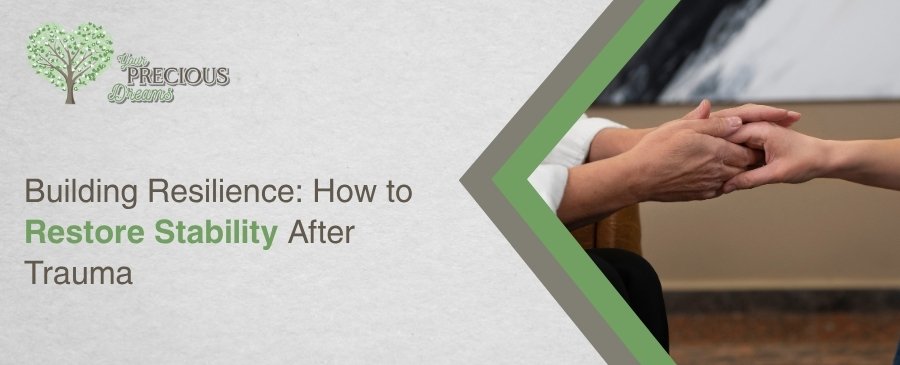
Building Resilience: How to Restore Stability After Trauma
Trauma carries a deep emotional weight, often leaving precious dreams feeling distant or out of reach, while everyday life becomes overwhelming and uncertain. Its impact can reshape thoughts, emotions, and daily functioning, making even small steps feel difficult. However, trauma, while life-altering, does not have to define a person’s future. Healing is possible through patience, support, and self-awareness. Recovery is not about “getting over it,” but about building resilience, restoring balance, and gradually creating a renewed sense of purpose, stability, and hope.
What is Resilience in the Context of Trauma?
Resilience in the context of trauma refers to the psychological ability to recover and adapt after distressing experiences. It reflects the “bounce-back” factor that supports individuals in rebuilding a sense of normal life. Trauma resilience focuses on the process of healing, while mental health stability represents the long-term goal of emotional balance and consistency. Strong resilience improves coping skills and reduces the lasting impact of trauma. In Cleveland, depression diagnoses rose ~60% from 2015-2025 among adults, making building resilience plays a critical role in strengthening community mental health and promoting long-term stability
5 Core Strategies for Restoring Stability After Trauma
Restoring stability after trauma requires consistent actions that support emotional healing and mental health recovery. These trauma recovery strategies focus on building resilience, improving coping skills, and creating a strong foundation for long-term mental health stability.
Prioritize Safety & Routine
Establishing a structured daily routine fosters a sense of safety and predictability, essential after experiencing trauma. Consistent patterns around sleep, meals, and daily activities help stabilize the nervous system, reduce anxiety, and create a foundation for gradual emotional and mental healing.
Practice Mindfulness
Mindfulness techniques strengthen present-moment awareness and help manage overwhelming emotions. Grounding exercises focus attention on sensory experiences, calming the mind, reducing stress, and providing practical tools for coping with triggers and emotional dysregulation caused by trauma.
Foster Connection
Building strong social support is critical for trauma recovery. Connecting with trusted friends, family, or community organizations such as NAMI Greater Cleveland helps reduce isolation, fosters emotional resilience, and provides encouragement, understanding, and a safe space to share experiences and progress in healing.
Self-Compassion
Practicing self-compassion encourages emotional healing by replacing harsh self-criticism with understanding and supportive self-talk. Reframing negative thoughts into gentle, validating responses helps reduce shame, promotes patience with oneself, and nurtures a healthier relationship with personal growth and recovery.
Professional Guidance
Accessing trauma-informed care ensures structured and expert support during recovery. Programs like Intensive Outpatient Programs (IOP) or Partial Hospitalization Programs (PHP) provide professional guidance, coping strategies, and ongoing therapeutic interventions that improve long-term mental health outcomes and stability.
Why Local Support Matters: Mental Health Stability in Cleveland
Local support plays a critical role in trauma recovery and mental health stability. Healing within a familiar community strengthens consistency, improves access to care, and supports long-term recovery outcomes. Your Precious Dreams (YPD) offers accessible IOP with flexible scheduling for busy professionals and students.
Reclaiming Your Precious Dreams
Reclaiming stability after trauma aligns with the mission of YPD: to awaken lost dreams by transforming lives. Trauma recovery involves steady progress, where each step strengthens resilience and supports lasting mental health stability. Healing remains a continuous journey rather than a final destination, and every small step forward represents meaningful progress toward renewed purpose and emotional balance.
Frequently Asked Questions
How long does trauma recovery take?
Trauma recovery varies for each individual. It involves building resilience over time through consistent support, structured care, and evidence-based therapies that promote long-term mental health stability.
What is the best therapy for building resilience after trauma?
Evidence-based therapies such as Cognitive Behavioral Therapy (CBT) and trauma-informed counseling support resilience building and help restore emotional and mental stability after trauma.
Where can mental health stability services in Cleveland be found?
Your Precious Dreams provides mental health stability services in Cleveland, including intensive outpatient programs (IOP) designed to support structured trauma recovery.
Schedule Your Consultation
Latest Blogs



Quick Links
Office Address
1300 E 9th Suite 1210 Cleveland Ohio 44114
Email Address
yourpreciousdreams@yahoo.com
Your Precious Dreams | Powered By DocsMed © 2025 All Rights Reserved